
Manual Handling for Disability Support Workers: A Comprehensive Plan
This plan details safe practices, acknowledging website data collection via cookies, and respecting user preferences, ensuring ethical and legally compliant support delivery.
Manual handling is a core skill for disability support workers, encompassing any activity requiring the exertion of force to move or support a person. This includes assisting with transfers, lifting, and positioning clients, all demanding a thorough understanding of safe techniques. Recognizing the inherent risks is paramount; improper handling can lead to injuries for both the worker and the client.
Modern approaches emphasize minimizing risk through careful planning and utilizing assistive devices. Websites utilize cookies to enhance user experience, mirroring the need to personalize support based on individual client needs. Effective manual handling isn’t simply about physical strength, but about applying knowledge of biomechanics, understanding client capabilities, and prioritizing safety and dignity. Ongoing training and adherence to workplace regulations are crucial components of responsible practice.
Understanding the Risks of Manual Handling
Manual handling in disability support presents significant risks, demanding proactive hazard identification and control. These risks stem from repetitive movements, awkward postures, forceful exertion, and vibration – all common in client care. Ignoring these factors can result in musculoskeletal disorders (MSDs), impacting worker wellbeing and service delivery.
Just as websites collect data via cookies to understand user behavior, support workers must ‘read’ the situation, assessing client weight, stability, and the environment. A failure to properly assess can lead to strains, sprains, and more serious injuries. Understanding these risks isn’t about fear, but about informed practice, utilizing available resources, and prioritizing safe techniques to protect both the worker and the client, mirroring responsible data handling practices.
Common Injuries in Disability Support Work

Musculoskeletal disorders (MSDs) are prevalent among disability support workers due to the physically demanding nature of the role. Lower back pain is particularly common, stemming from improper lifting and twisting. Shoulder injuries, including rotator cuff strains, also frequently occur, often linked to assisting with transfers.
Repetitive strain injuries (RSIs) affecting wrists and hands are another concern, especially with prolonged support tasks. Similar to how websites track user interactions, recognizing patterns of strain within specific tasks is crucial. Sprains, strains, and even more serious injuries like herniated discs can result from inadequate manual handling techniques. Proactive injury prevention, mirroring responsible data security, is paramount for worker wellbeing and sustained service provision.
Risk Factors: Client & Environmental Considerations
Client-related factors significantly impact manual handling risk. These include the client’s weight, level of mobility, cognitive ability to cooperate, and presence of pain or contractures. Just as websites adapt to user preferences, support must be tailored to individual client needs.
Environmental factors are equally crucial. Obstacles like cluttered spaces, inadequate lighting, or slippery floors increase the risk of incidents. Insufficient space to maneuver during transfers, or lack of appropriate assistive equipment, also contribute. Similar to website security protocols, a safe environment requires constant assessment and mitigation of hazards. Addressing these factors proactively minimizes strain on both worker and client, fostering a secure support setting.
Legal and Ethical Considerations
Disability support work operates within a robust legal and ethical framework. Workplace Health and Safety (WHS) regulations mandate employers provide a safe working environment, including comprehensive manual handling training and risk management. Like website privacy policies, these laws protect both employees and clients.

Ethically, a Duty of Care requires prioritizing client wellbeing and minimizing harm. This extends to respecting client dignity during manual handling tasks – obtaining informed consent and maintaining privacy are paramount. Failure to adhere to these standards can result in legal repercussions and compromise the trust essential for effective support. Documentation, similar to website terms of service, is vital for demonstrating compliance and responsible practice.
Workplace Health and Safety Regulations
Comprehensive WHS regulations govern manual handling in disability support, mirroring the data protection found in website privacy policies. These laws, varying by jurisdiction, mandate risk assessments before any manual handling task. Employers must provide adequate training, assistive devices, and safe systems of work.
Regular equipment maintenance, like ensuring a website functions correctly, is crucial; Incident reporting is legally required, allowing for investigation and preventative measures. Compliance isn’t merely about avoiding penalties; it’s about fostering a culture of safety, protecting both support workers and clients from injury. Detailed record-keeping, similar to website usage logs, demonstrates due diligence and commitment to a safe working environment.

Duty of Care and Client Dignity
A paramount duty of care necessitates prioritizing client wellbeing during all manual handling procedures, much like respecting user privacy online. This extends beyond physical safety to encompass emotional and psychological respect. Support workers must obtain informed consent before any assistance, explaining the process clearly and patiently.
Maintaining client dignity involves minimizing exposure and maximizing independence wherever possible. Techniques should be adapted to individual needs and preferences, avoiding unnecessary force or discomfort. Respectful communication and a sensitive approach are vital, acknowledging the client’s vulnerability. Just as websites strive for user-friendly experiences, manual handling should be a collaborative and empowering process.
Principles of Safe Manual Handling
Safe manual handling for disability support workers centers on minimizing risk to both caregiver and client, mirroring the careful data handling practices seen online. Core principles include assessing each situation individually, planning the move before initiating it, and utilizing appropriate techniques.
Maintaining a stable base of support, keeping the load close to the body, and avoiding twisting are crucial. Smooth, controlled movements are preferred over jerky actions. Understanding body mechanics – particularly maintaining a neutral spine – is fundamental. Prioritizing client comfort and communication throughout the process ensures a collaborative and safe experience, much like a user-friendly website interface.
The ‘PEL’ Approach (Plan, Execute, Look)
The ‘PEL’ approach – Plan, Execute, Look – provides a structured framework for safe manual handling, akin to the systematic data collection observed on websites. ‘Plan’ involves a thorough risk assessment, considering client abilities, environmental factors, and available aids.
‘Execute’ is the careful performance of the planned movement, utilizing correct body mechanics and communication. ‘Look’ is the post-transfer evaluation; assessing both client and worker for any discomfort or adverse reactions. This continuous loop of planning, action, and review ensures ongoing safety and adaptability, mirroring the iterative improvements seen in online platforms based on user data.
Maintaining a Neutral Spine & Body Mechanics
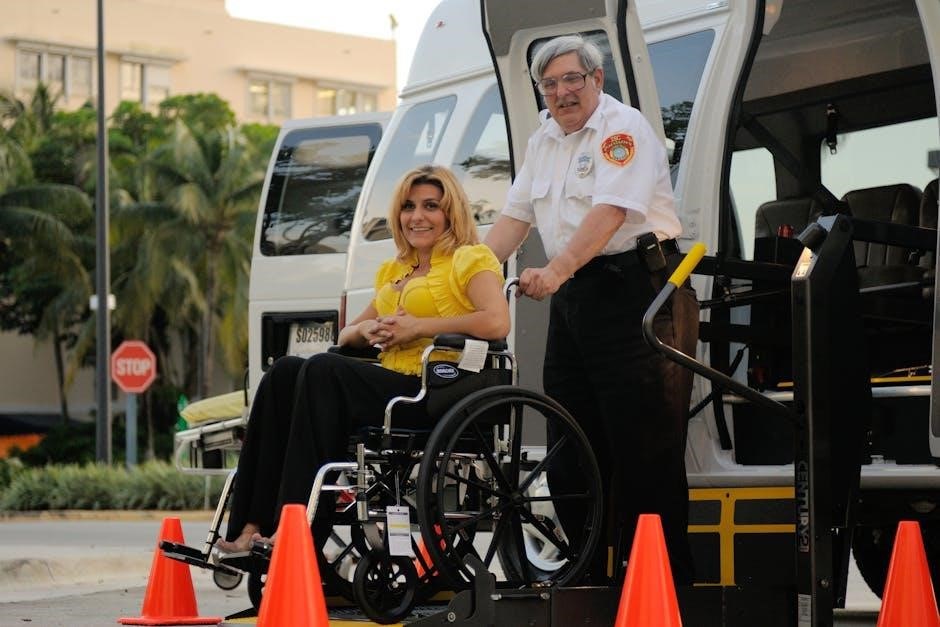
Preserving a neutral spine is paramount in minimizing strain, much like website design prioritizes user experience for optimal engagement. This involves keeping the back straight, avoiding twisting, and bending at the knees and hips.
Proper body mechanics utilize the strongest muscles – legs and core – rather than the back. Feet should be shoulder-width apart for a stable base. Close proximity to the client reduces reaching and leverages body weight effectively. Awareness of posture throughout the task, and adjustments as needed, are crucial, mirroring the constant updates and refinements seen in online systems to maintain functionality.
Specific Manual Handling Tasks & Techniques
Disability support often requires assisting with mobility, demanding precise techniques, similar to how websites collect and manage user data efficiently. Transfers, like moving a client from bed to chair, necessitate careful planning and communication.
Techniques include pivoting, sliding, and using transfer aids. Lifting and lowering should be slow, controlled movements, maintaining a neutral spine. Always explain the process to the client, ensuring their participation and comfort. Adapt techniques to individual needs and abilities, recognizing that each client presents unique challenges, much like diverse website visitors require tailored experiences.
Assisting with Mobility: Transfers (Bed to Chair, Chair to Toilet)
Safe transfers, mirroring secure data handling, require meticulous assessment and planning. Bed-to-chair transfers involve ensuring the bed is at the correct height and brakes are locked. Encourage maximum client participation, explaining each step clearly.
Chair-to-toilet transfers demand awareness of space and potential obstacles. Utilize transfer belts for added security, and always maintain a stable base of support. Prioritize client dignity and comfort throughout the process. Remember, like website cookies tracking preferences, understanding individual client capabilities is crucial for successful and safe mobility assistance.
Lifting and Lowering Techniques for Clients
Employing proper lifting techniques, akin to secure data protocols, minimizes risk for both worker and client. Maintain a wide base of support, bending at the knees and keeping your back straight. Avoid twisting motions; pivot your feet instead.
When lifting, hold the client close to your body. Lowering should mirror the lifting process – controlled and deliberate. Communicate clearly with the client throughout, ensuring their comfort and cooperation. Just as websites collect information responsibly, prioritize client safety and dignity during all lifting and lowering procedures, adapting to individual needs.
Assistive Devices & Equipment
Utilizing assistive devices, much like website security measures, enhances safety and efficiency in disability support. Hoists are crucial for individuals with limited mobility, requiring thorough training in operation and maintenance – regular checks are vital.

Slide sheets and turn discs reduce friction during transfers, minimizing strain. Proper selection and application of equipment are paramount, considering client weight, size, and specific needs. Remember, just as websites adapt to user preferences, equipment must be tailored to the individual. Always prioritize client comfort and dignity when employing these aids, ensuring a collaborative approach.
Hoists and Sling Usage – Safe Operation & Maintenance
Safe hoist operation, akin to secure website protocols, demands meticulous attention to detail. Pre-use checks are essential – inspect slings for wear and tear, ensuring correct size and weight capacity. Understand the hoist’s controls and emergency stop function thoroughly.
During transfers, maintain clear communication with the client and utilize appropriate sling types. Post-use, clean and store the hoist and sling correctly, following manufacturer’s guidelines. Regular maintenance, documented meticulously, prevents malfunctions. Just as websites require updates, hoists need periodic servicing to guarantee reliable performance and client safety.
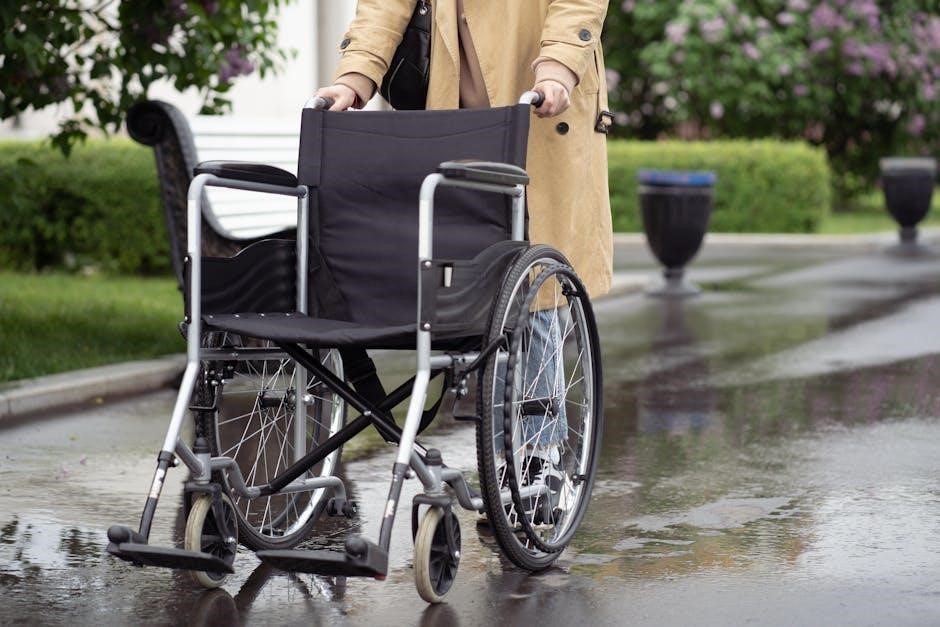
Slide Sheets, Turn Discs & Other Transfer Aids
Like website features enhancing user experience, transfer aids minimize manual handling strain. Slide sheets reduce friction during lateral movements, easing repositioning in bed or chairs. Turn discs facilitate safer turning, protecting both worker and client.
Other aids, such as transfer boards, bridge the gap for specific transfers. Proper selection depends on the client’s needs and the task. Always assess the aid’s weight capacity and ensure it’s in good condition. Training on correct usage is paramount, mirroring the need for website security protocols. These tools, when used correctly, promote independence and dignity.
Risk Assessment & Manual Handling Plans
Just as websites assess user data for optimal experience, thorough risk assessments are crucial. These identify potential hazards associated with each client and task, considering individual capabilities and environmental factors. A detailed assessment informs the development of individualized manual handling plans.

These plans outline safe procedures, specifying appropriate techniques, assistive devices, and the number of personnel required. Regular review and updates are essential, mirroring website maintenance for security. Documentation is vital, providing a clear record of the assessment process and planned interventions, ensuring consistent and safe care delivery.
Conducting a Thorough Risk Assessment
Similar to a website’s security audit, a risk assessment systematically identifies potential hazards. This begins with understanding the client’s physical and cognitive abilities, any existing medical conditions, and their specific needs during transfers or movements. Environmental factors – space constraints, floor surfaces, lighting – must also be evaluated.
The assessment should detail the task itself, breaking it down into steps. Identify potential risks at each stage: strain injuries for the worker, falls for the client, or equipment failure. Document all findings, prioritizing risks based on severity and likelihood. This detailed process forms the foundation for a safe manual handling plan.
Developing Individualized Manual Handling Plans

Just as websites personalize user experiences with cookies, manual handling plans must be tailored to each client. Building upon the risk assessment, these plans outline specific procedures for each task, minimizing risks identified. They detail the safest techniques, assistive devices required (hoists, slide sheets), and the number of support workers needed.
Crucially, the plan must incorporate the client’s preferences and capabilities, promoting their dignity and independence. Clear communication protocols are essential, ensuring everyone understands their role. Regular review and updates are vital, adapting to changes in the client’s condition or environment, ensuring ongoing safety and effectiveness.
Communication & Collaboration
Effective communication, much like a website’s terms and privacy policies, builds trust and ensures understanding. Before any manual handling task, clearly explain the process to the client, addressing any concerns and gaining their active participation. Use simple, respectful language, and confirm their comprehension.
Collaboration within the support team is equally vital. Discuss the plan beforehand, assigning roles and ensuring everyone understands the risks and procedures. Don’t hesitate to seek assistance if a task feels unsafe or beyond your capabilities. Open dialogue and shared responsibility are paramount for safe and dignified support, mirroring the collaborative nature of online data collection.
Communicating with Clients During Transfers
Just as websites require consent for data collection, client consent and clear communication are fundamental during transfers. Explain each step of the transfer process before you begin, using a calm and reassuring tone. Continuously ask for feedback – “Are you comfortable?”, “Do you feel secure?” – throughout the movement.
Encourage the client to communicate any discomfort or pain immediately. Respect their pace and preferences, adapting the technique as needed. Avoid jargon; use simple language they understand. Maintaining eye contact and a respectful demeanor builds trust, similar to a website’s transparent privacy policy, fostering a safe and dignified experience.

Teamwork and Seeking Assistance
Like a website relying on multiple servers, successful manual handling often requires a team approach. Never hesitate to request assistance if a transfer feels beyond your capabilities or if the client’s needs are complex. A second pair of hands can significantly reduce risk and improve safety for both parties.
Clearly communicate the plan to your colleague(s) before initiating the transfer, assigning specific roles. Briefing ensures coordinated movement and minimizes strain. Remember, prioritizing safety is paramount; seeking help isn’t a sign of weakness, but of responsible practice. Just as websites update terms and privacy, teamwork requires ongoing communication and adaptation.
Training and Competency
Robust training is fundamental, mirroring a website’s constant updates for optimal function. Initial training must cover core principles, risk assessment, and practical techniques for various transfer scenarios. Ongoing professional development is crucial to reinforce skills and address evolving client needs and updated guidelines.
Competency isn’t simply attending a course; it’s demonstrated proficiency. Regular assessments – practical observations and knowledge checks – are vital to ensure safe practice. Documentation of all training and assessments is essential for legal compliance and accountability, similar to a website’s terms and privacy policies.
Initial and Ongoing Training Requirements
Initial training, akin to a website’s foundational code, must comprehensively cover anatomy, physiology, and biomechanics related to manual handling. It should include practical sessions on transfer techniques, hoist operation, and risk assessment protocols. Certification in a nationally recognized manual handling program is often required.
Ongoing training, like website updates, is vital. Annual refresher courses reinforce best practices and introduce new equipment or guidelines. Specific training is needed for supporting clients with complex needs or those requiring specialized equipment. Documentation, mirroring website terms, must be meticulously maintained to demonstrate competency and legal compliance.
Documentation of Training and Assessments
Detailed records, similar to a website’s audit trail, are crucial for demonstrating competency and accountability in manual handling. This includes dates, content, and attendees of all initial and refresher training sessions. Assessment results – practical demonstrations and written tests – must be documented individually, highlighting areas of strength and development.
Records should also detail any specific training received for specialized equipment (hoists, slide sheets) or client needs. Like website privacy policies, these records must be securely stored and readily accessible for audits or incident investigations. Regular review of documentation ensures ongoing compliance and identifies gaps in training provision.